How to Help a Child Calm Down Without Punishment
Every parent has moments when their child melts down over something that seems small. A toy breaks. A sibling takes a turn. Bedtime arrives. Suddenly there are tears, yelling, or even kicking and throwing things. In those moments, it is easy to feel frustrated or unsure of what to do next.
Children are still learning how to handle big emotions. They learn those skills by watching the adults around them and practicing. Your response during a difficult moment can help your child build emotional regulation that lasts far beyond childhood.
Look for the Feeling Behind the Behavior
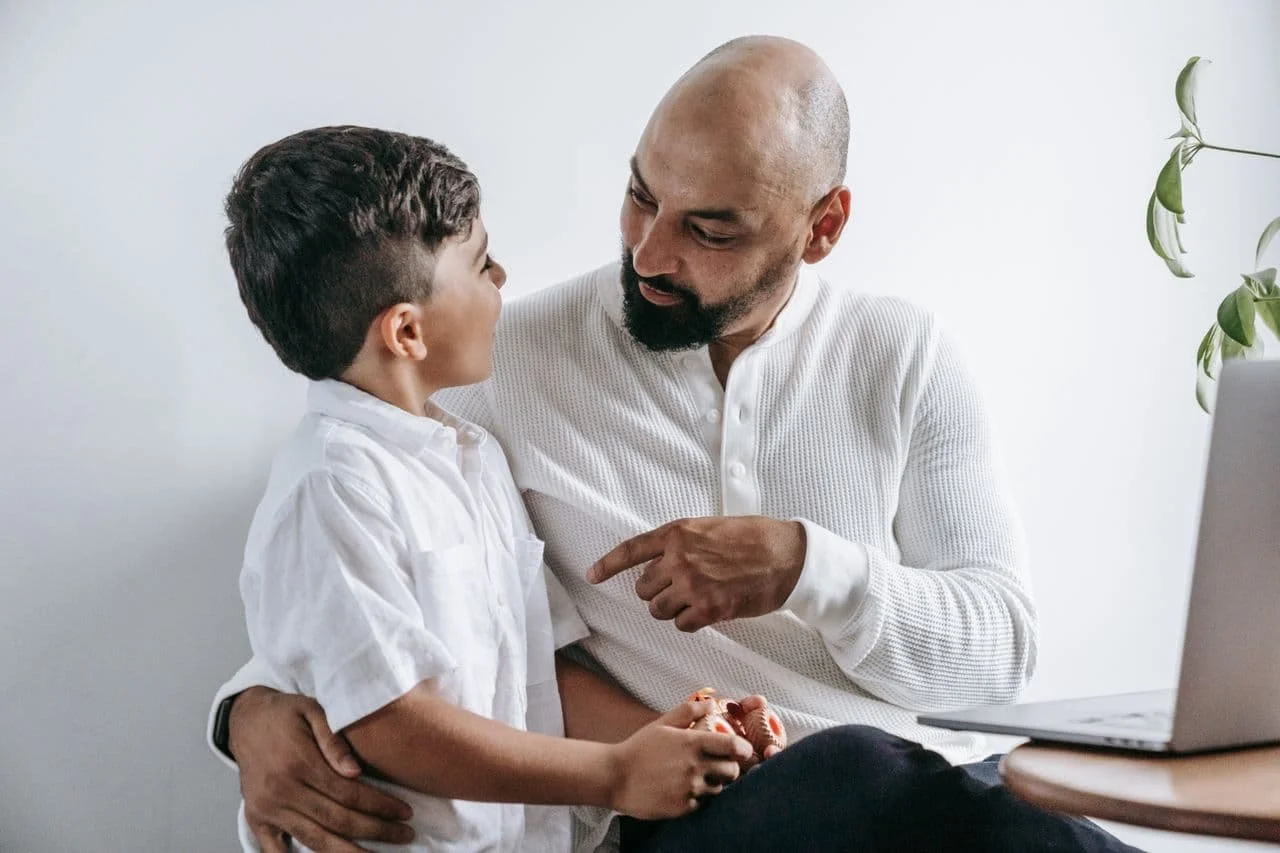
A child who is screaming may actually be scared, overwhelmed, tired, or disappointed. Their behavior is the part you see. The emotion underneath is what needs your attention.
Before reacting, pause for a moment and ask yourself what your child may be experiencing, doing so can help you respond with more patience.
You can also help your child put words to their emotions by saying things like:
"I can see that you are really frustrated." Or "You look disappointed that playtime is over."
When children hear adults name emotions, they slowly build the vocabulary they need to express themselves instead of acting out.
Stay Calm Even When Your Child Isn't
Children often borrow emotional cues from adults around them. If you raise your voice during a meltdown, your child may become even more upset. Speaking calmly doesn't mean you approve of the behavior. It shows your child that strong emotions can be handled safely.
Take a slow breath before responding. Lower your voice instead of raising it. Keep your words short and clear.
Your calm presence creates an environment where your child can begin to settle.
Offer Comfort Before Solving the Problem
Many parents feel pressure to fix the situation right away. Sometimes children need comfort before they are ready to listen or solve anything.
For younger children, this may mean sitting nearby, offering a hug if they want one, or gently rubbing their back. Older children may simply want someone to stay with them while they work through their feelings.
Once they begin to calm down, they're much more likely to hear guidance and make better choices.
Create a Calming Routine Together
Every child responds differently to stress. Spend time discovering what helps your child feel regulated before the next difficult moment happens.
Some children enjoy deep breathing. Others like squeezing a pillow, coloring, listening to quiet music, stretching, or sitting in a cozy corner with a favorite stuffed animal.
Practice these calming activities when your child already feels relaxed. During a meltdown, familiar routines are much easier to use.
Teach Skills After Everyone Has Calmed Down
The middle of a tantrum isn't the time for a lesson. Wait until your child feels calm before talking about what happened.
Ask simple questions. "What made you so upset?" Or, "What could we try next time?"
Keep the conversation supportive instead of critical. Children learn best when they feel safe enough to think about their choices.
Keep Expectations Realistic
Children will lose control sometimes. It takes years to develop emotional regulation.
Celebrate small improvements. Maybe your child calmed down five minutes faster than last week. Maybe they used words instead of hitting. Those small wins matter because they show that new skills are taking root.
When Extra Support Can Help
If your child's emotional outbursts happen often, last a long time, or create problems at home or school, it may be time to seek more support. Child therapy can provide guidance that reduces stress for everyone in the home.
You don't have to figure everything out on your own. Schedule an appointment with us to help you build confidence, strengthen your relationship with your child, and develop calming techniques that work in everyday life.
